

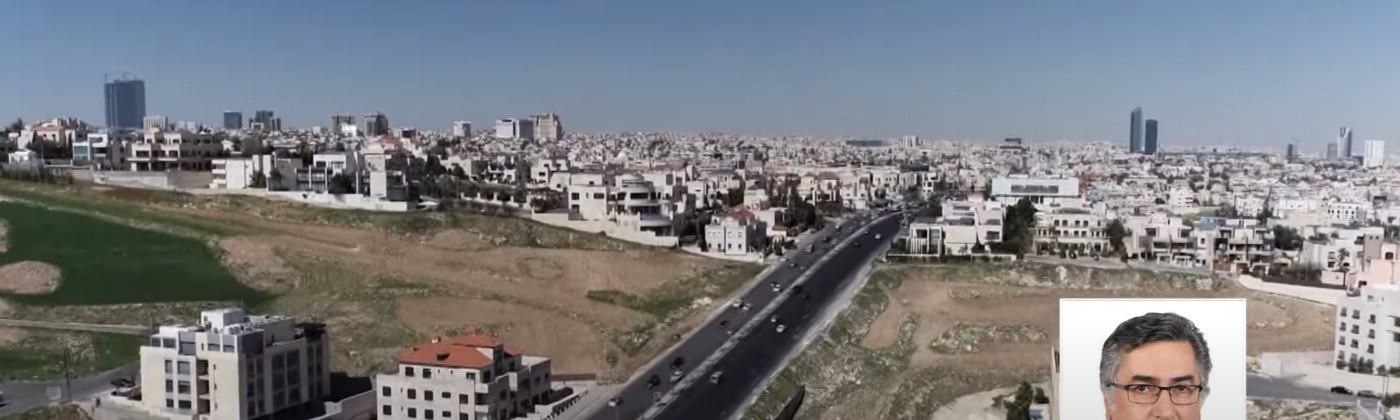
Inter-Governorate and Amman Transportation
مقابلة تلفزيونية مع قناة رؤيا حول النقل بين المحافظات وعمّان
أجرت قناة رؤيا التلفزيونية مقابلة مع مستشار العمارة والتصميم الحضري، الدكتور مراد الكلالدة، للتعليق على مشروع تعزيز النقل بين المحافظات والعاصمة الذي أطلقته وزارة النقل الأردنية. وذكر الدكتور الكلالدة بأن المشروع إيجابيات عدة، مثل:
- ضبط التردد الزمني للانطلاق بما يمكن المواطن من إدارة الوقت بكفاءة.
- مراقبة مسارات وسائط النقل والالتزام بالخطوط المسجلة، والشفافية، والحفاظ على كرامة المواطن.
- التحول من النقل العشوائي إلى الحجز الإلكتروني.
- تحفيز المشغلين لتحديد حاجتهم للحصول على الدعم الحكومي بما يقلل من انبعاثات ثاني أكسيد الكربون ويحسن من جودة الهواء.
وأشار إلى أن هناك فرصًا لتحسين الوعي الحضري الذي تنتقل فيه هذه المركبات، مثل:
- المسافة الخدمية والتردد والسرعة يجب ربطها تراتبياً بوسائط النقل (Transit Modes Hierarchy) والمنصة (Capacity وSpeed).
- مراعاة AASHTO بالرجوع إلى المواصفات المالية (وطنية، شرائية، تجميعية، محلية) وربطها بتنازليّة الطرق (Hierarchy of Roads) والتردد (Frequency).
- تقسيم أنماط النقل إلى:
- المستوى الأعلى: نقل سكني ثقيل وخفيف وترددي.
- المستوى الثاني: النقل بالأنماط السريعة وباصات BRT (يمكن إدراج باصات الكوستر التي يشملها المشروع تحت هذا المستوى).
- المستوى الثالث: النقل العمومي السلس والذي يشمل مثلًا باصات الطلب والتطبيقات.
- المستوى الرابع: التاكسي الأصفر والتطبيقات.
- حصر وصول الباصات الكبيرة إلى مجمعات الشمال والجنوب القائمة (تقع داخل مناطق الازدحام المروري)، واستخدام محطات الفرق في الرصيفة، والغربي في الكلية الحربية، دون دخول هذه المركبات إلى وسط العاصمة.
- بالنسبة للنقل الوطني والإقليمي اليومي بين المحافظات، يجب أن يصل إلى المجمعات الرئيسة المنتشرة حول المدن ولا يدخلها.
- الربط مع محطات دخول المسافرين ببطاقة إلكترونية أو شاشات Terminals تشبه المطارات.
- يمكن تنفيذ محطات توقف Bus Stops مدروسة ومخصصة، ويمكن أن يتم تصميم الموقف في شارع المطار أو شارع الاستقلال في عمّان.
- ربط الباصات الداخلية بباصات النقل الحضري بطريقة مرنة بمسارات تربط مناطق مختلفة (مثلاً: طريق الجامعة الطبية، طريق الكمالية، جامعة عمّان الأهلية، ماحص، عابور، مرج الحمام، طريق المطار).
ونصح الدكتور الكلالدة بعدم الخلط بين النقل السريع الإقليمي والنقل داخل المدن، كونه لا يناسب المسافات البعيدة من حيث السرعة والتصميم الداخلي. وأشار إلى ضرورة تخصيص نصف الحمولات للنقل الثابت والنصف الآخر للتنقل الحضري المرن بمسارات مخصصة.
Inter-Governorate and Amman Transportation
Roya TV conducted an interview with urban planning and architecture consultant Dr. Murad Al-Kalaldeh to comment on the project to enhance transportation between governorates and the capital, launched by the Jordanian Ministry of Transport. Dr. Al-Kalaldeh mentioned several positives of the project, such as:
- Regulating trip timing and departure frequency in a way that enables citizens to manage their time efficiently.
- Monitoring transport routes and systems and enforcing adherence to scheduled lines, thereby ensuring dignity for the citizen.
- Transitioning from chaotic transport to an electronic booking system.
- Incentivizing operators to receive government support in exchange for reducing emissions that cause global warming and improving air quality.
He also pointed out opportunities to improve public awareness and environmental sustainability through these vehicles, such as:
- Low-service-speed and low-frequency routes must be addressed through the Transit Modes Hierarchy (based on capacity, speed, and surface) and by referencing AASHTO and financial specifications (national, municipal, private).
- Classification of transportation modes into:
- Highest Level: Heavy and express public transit.
- Second Level: BRT systems (the current project’s buses fall under this category).
- Third Level: Light public transport like taxis and shared vehicles.
- Fourth Level: Yellow taxis and ride-hailing apps.
- Restricting bus entry to large and busy central areas (especially traffic congestion zones) and using peripheral parking lots.
- Preventing buses from entering central Amman by using outer terminals and parking facilities.
- Buses should arrive at stations in areas like Tabarbour, near Sports City, Zarqa Street, University of Jordan, and more.
- Creating new bus stops in coordination with urban planning.
- Connecting the terminal with Amman’s internal transport via dedicated routes (such as airport road, medical city road, or the ring road in northern Jordan).
Dr. Al-Kalaldeh warned that mixing intercity transportation with internal urban transport doesn’t suit long-distance transport in terms of speed and design. He recommends that half of the fleet be allocated to fixed intercity routes, with the other half reserved for flexible internal transport based on demand (green public transport model), which necessitates dedicated routes.